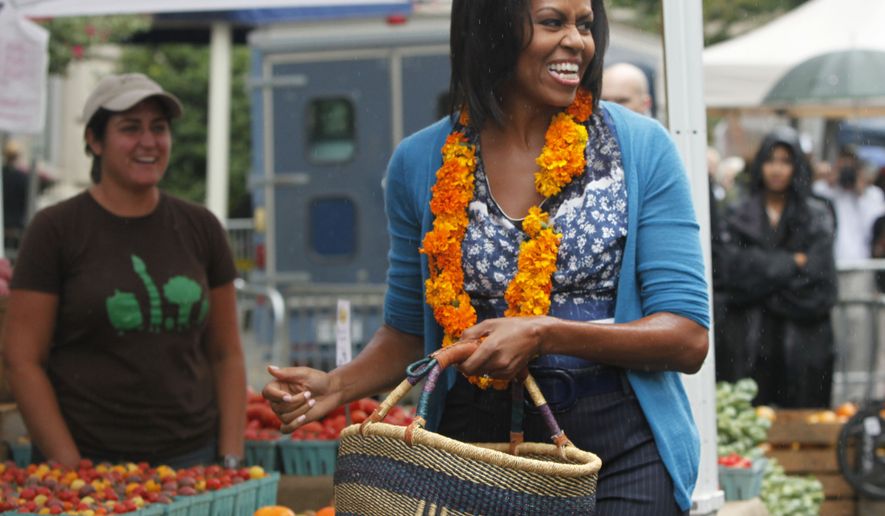
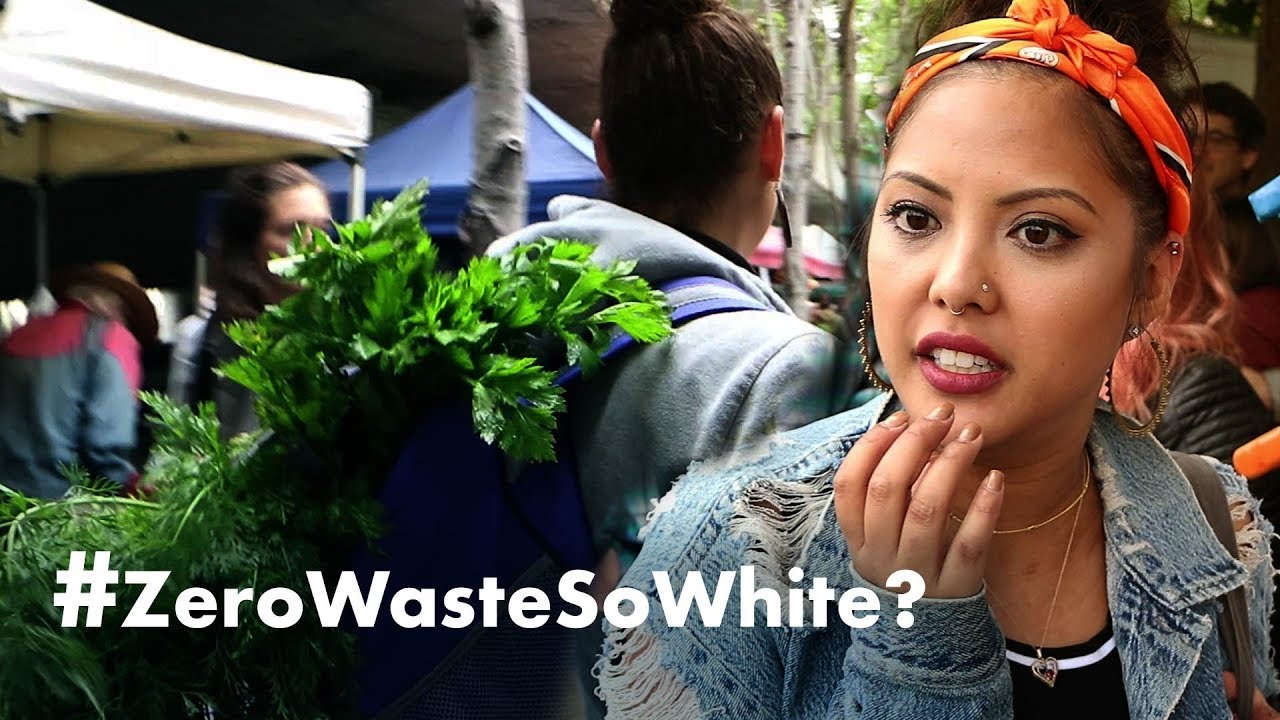
Farmer’s Markets have been operating for decades now but business declined after WWII. The resurrection of markets occurred between 1994 and 2008 when the number of markets increased by 300%! This “popular again” movement is mostly linked to the increase in awareness for sustainability and green living. However, another major component to this increase is the aesthetics. Modernity has driven people to farmer’s markets to fit in with the modern culture. This modernity has also led to a sense of whiteness at the markets. “Despite their noted potential to create just sustainability, scholars have argued that farmers markets, and the alternative agrifood movement more generally, contain whitened discourses and practices” (Wiley Online Library). The amount of white people at the markets has increased as middle-aged suburban moms make “marketing” a sort of hobby. Every week you can find a group of moms pushing their strollers smelling lettuce, to make sure its organic, of course. This flock of whiteness can lead to a decrease in the amount of colored people attending the markets. “Our findings suggest that the dispositions and skills that allow an individual to feel politically empowered by the buying and selling of local organic food, as well as socially accepted as part of the farmers market community, reflect this intersection of race, class and political orientation. Thus, farmers markets such as our cases become inclusive, empowering spaces for a form of food politics that reflects liberal, affluent, white identities and positionalities” (Wiley Online Library). Such markets have become a place to make one’s self feel like a contribution in society by their own presence.
“The whiteness we observe at farmer markets is about more than just the presence of pale‐skinned bodies. According to Ruth Frankenberg’s foundational work, whiteness “carries with it a set of ways of being in the world, a set of cultural practices often not named as ‘white’ by white folks, but looked upon instead as ‘American’ or ‘normal” (Wiley Online Library). There are many blogs that are filled with “Weekly Trip to the Farmer’s Market.” People are making money off of going to the farmer’s markets and posting about it. Social media users use the platform because of themselves. Liking people’s posts aren’t necessarily because you like them or are friends with them but because you want those likes back on your own posts. Whitewashing has overtaken the markets that used to be a place one could get locally sourced produce and has become a place of which people take pictures and leave without buying anything. Simply putting that sustainable and local sticker on their photo when no one knows the truth of what occurs behind or what the person really believes in. It is most likely that the social media star will go to a chain supermarket right after their trip to the farmer’s market to buy their actual groceries.

 The Story of Farmer's Markets